


Exhibition
Ethnography of the Body and Material — Slowness and Depth in an Accelerated Society
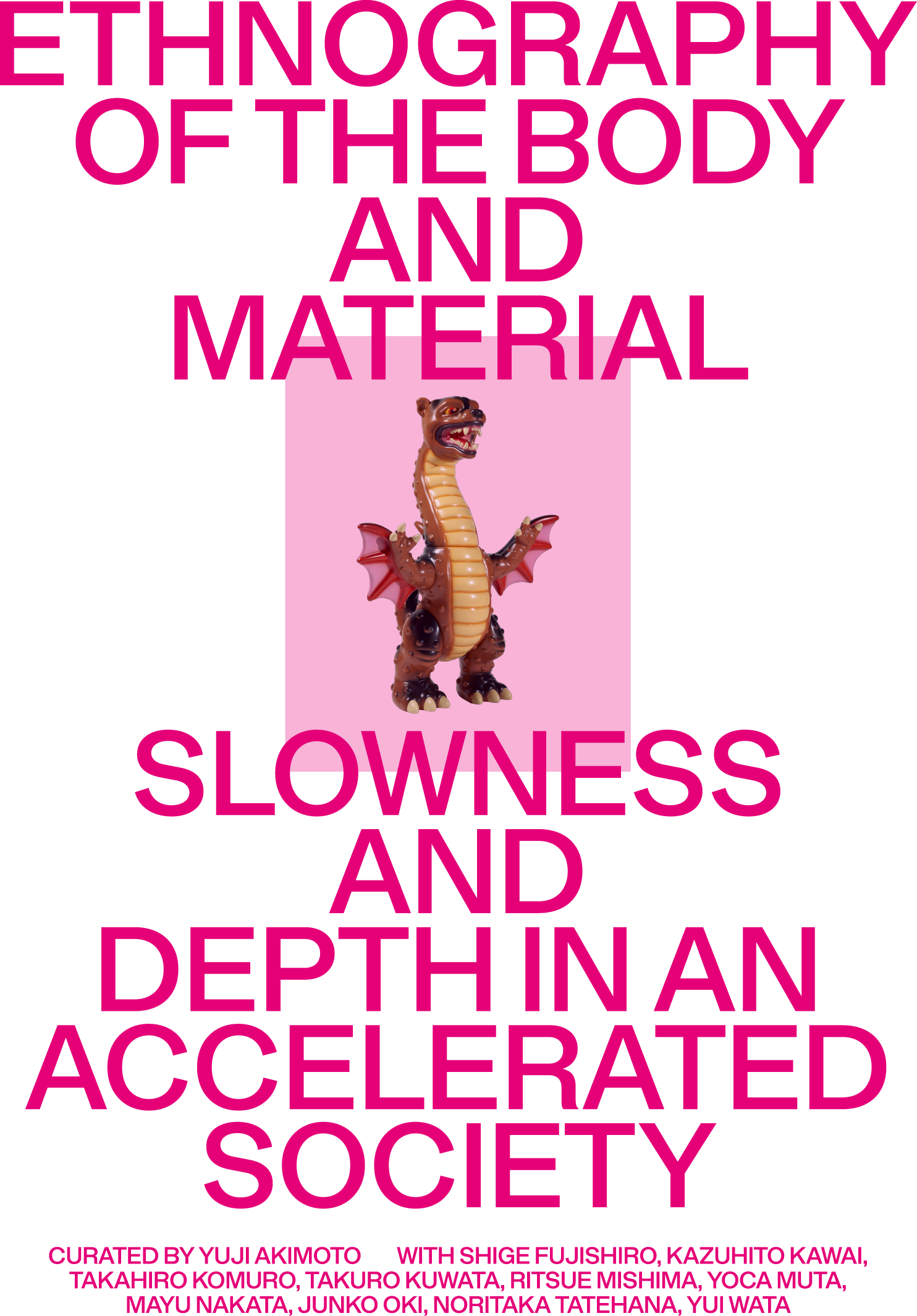
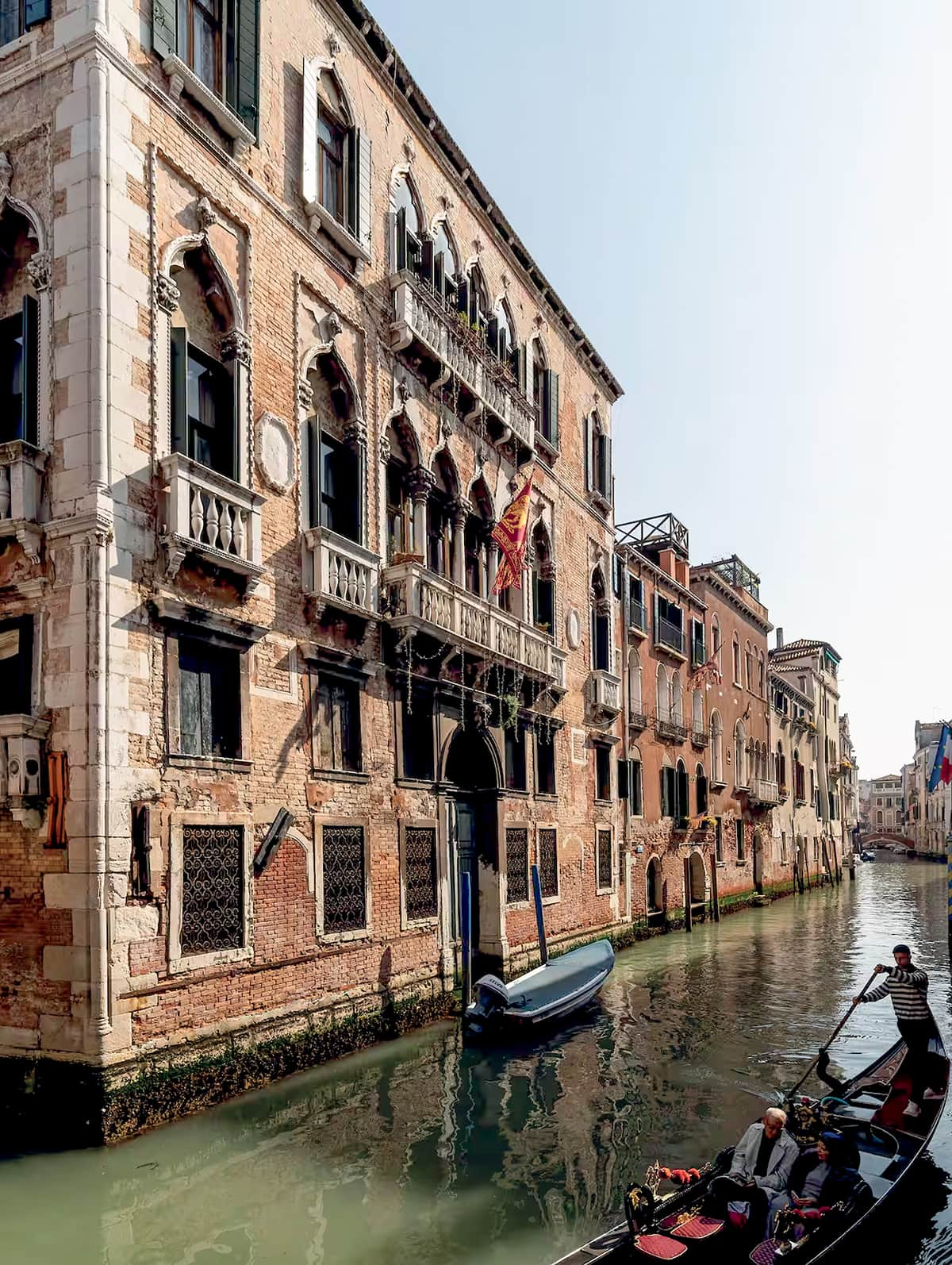
NPO Syuto Kanazawa presents Ethnography of the Body and Material — Slowness and Depth in an Accelerated Society from May 9 to November 22, 2026, at Palazzo Pisani Santa Marina in Venice, concurrent with the 61st International Art Exhibition - La Biennale di Venezia.
This exhibition, Ethnography of the Body and Material—Slowness and Depth in an Accelerated Society, aims to restore a different sense of time and physical perception inherent in the act of “making” back into today’s world of ever-accelerating information and consumption. Here, “ethnography” refers to an approach to interpret the practice of artists—a slow process of creation involving commitment to materials and manual labor—in cultural and social contexts.
The world we live in is marked by a focus on immediacy and efficiency. It prizes “easy-to-understand” and “ready-to-use” qualities, while increasingly neglecting the “slow pace” and “silence” that nurture the depth of our senses and memories. The artists involved in this exhibition will present their “sensory fieldwork,” taking place in the margins of such an accelerated society via different materials such as fire, water, earth, fiber, urushi (lacquer), and glass, as well as the body.
Takuro Kuwata sculpts the contingency of ceramics, Kazuhito Kawai breathes between clay and gravity, and Takahiro Komuro physically reshapes cities and subculture. Yoca Muta, Junko Oki, Yui Wata, and Mayu Nakata interweave layers of memory and emotion through handicrafts such as painting on ceramics, embroidery, fiber, and urushi (lacquer). Ritsue Mishima uses transparent glass to encapsulate the process of time, and Shige Fujishiro captures the memory of consumption in his work. Moreover, Noritaka Tatehana reconstructs the layers of time and rituals associated with the body and attire, shuttling between traditional decorative culture and urban senses.
Their works are not “instantly comprehensible,” but instead invite viewers to spend time appreciating and developing a tactile relationship with the work. This exhibition considers this creation and appreciation process itself as a form of quiet resistance to challenge an accelerated society. It is an effort to reconstruct our senses and reconnect with the world. This micro-ethnography, woven at the intersection of body and material, excavates forgotten strata of sensitivity and reveals new meanings of “making” in the modern age.
Conceptual Note
I. The act of “making” as a Field
This exhibition adopts an ethnographic perspective to observe and describe the act of “making” that takes place between the body and material, set against the backdrop of today’s fast-paced, information-saturated society. Ethnography here refers to a fieldwork-based approach that interprets the entire practice within its cultural context, including examining how artists use their hands, how materials transform and their production environment, as well as the viewers’ senses. Each material carries its own inherent rhythm: the time it takes for clay to be fired, the humidity needed for lacquer to dry, and the pace at which glass cools. The very act of allowing the rhythm to lead you becomes a field note on the slowness—a different flow of time, generated in the margins of an accelerated society.
II. Artists’ Notes on Body and Material
| Artist | Ethnographic Focus | Manifestation of Slowness and Depth |
|---|---|---|
| Takuro Kuwata |
“Kiln ritual” to observe the contingent interactions between ceramics and glaze |
An unfinished process of creation is exhibited at the venue to share the “ongoing time flow” with viewers. |
| Kazuhito Kawai |
Sculpting the traces of the body through repeated interactions between clay and gravity. |
The gradual transformation of clay is visually captured as it dries and cracks over the course of the exhibition. |
| Takahiro Komuro |
Crossover of subculture-inspired figures and sculptural design. |
The immediacy of urban culture is slowed to the pace of handcrafting, transforming it into a memory. |
| Yoca Muta |
Tracing the brushstrokes running across a ceramic surface |
The quiet stillness during the drying process is integrated as part of the experience of appreciating the artwork. |
| Mayu Nakata |
Layers of time for the application, polishing, and drying of urushi (lacquer) |
Fine craftsmanship, hidden emotions and memories settle on the lacquer surface and mature until viewers “read” them. |
| Ritsue Mishima |
A device to visualize the process from glass blowing to cooling |
Time strata accumulate within the transparent glass, delaying the act of seeing. |
| Yui Wata |
Physical movements at the nodes where woven fabric gain a three-dimensional quality |
The thread tension and spatial tension coalesce into a “preserved moment.” |
| Junko Oki | Endless loop of repetitive embroidery |
The process of multiplying stitches is presented as an “unfinished ethnography.” |
| Shige Fujishiro |
Re-ritualization via the vitrification of waste packages |
Traces of consumption are manually encapsulated to foster a slower, deliberate perspective. |
| Noritaka Tatehana | Co-creation of accessories and festive bodies |
Accumulating urban speed in accessories and layering time strata. |
| Artist | TakuroKuwata | Kazuhito Kawai | Takahiro Komuro | YocaMuta | Mayu Nakata | RitsueMishima | YuiIshiwata | Junko Oki | Shige Fujishiro | NoritakaTatehana |
|---|---|---|---|---|---|---|---|---|---|---|
| Ethnographic Focus | “Kiln ritual” to observe the contingent interactions between ceramics and glaze | Sculpting the traces of the body through repeated interactions between clay and gravity. | Crossover of subculture-inspired figures and sculptural design. | Tracing the brushstrokes running across a ceramic surface | Layers of time for the application, polishing, and drying of urushi (lacquer) | A device to visualize the process from glass blowing to cooling | Physical movements at the nodes where woven fabric gain a three-dimensional quality | Endless loop of repetitive embroidery | Re-ritualization via the vitrification of waste packages | Co-creation of accessories and festive bodies |
| Manifestation of Slowness and Depth | An unfinished process of creation is exhibited at the venue to share the “ongoing time flow” with viewers. | The gradual transformation of clay is visually captured as it dries and cracks over the course of the exhibition. | The immediacy of urban culture is slowed to the pace of handcrafting, transforming it into a memory. | The quiet stillness during the drying process is integrated as part of the experience of appreciating the artwork. | Fine craftsmanship, hidden emotions and memories settle on the lacquer surface and mature until viewers “read” them. | Time strata accumulate within the transparent glass, delaying the act of seeing. | The thread tension and spatial tension coalesce into a “preserved moment.” | The process of multiplying stitches is presented as an “unfinished ethnography.” | Traces of consumption are manually encapsulated to foster a slower, deliberate perspective. | Accumulating urban speed in accessories and layering time strata. |
III. The Ethics Describing “Slowness”
The practice engaged by artists functions like a “multi-layered clock,” overlaying the material’s physical time onto the artist’s bodily time. As viewers approach and move away from the work, perceiving shifting angles of light and changes in temperature, their sensory organs transmute into timekeeping devices. Through an ethnographic interpretation of this process, this exhibition highlights the critical and ethical significance of “slowness,” going beyond the mere presentation of aesthetic beauty.
IV. Exhibit as Reflexive Ethnography
The exhibition space becomes a place for reflexive ethnography, embracing the cycle of the artist as observer, the artwork as field notes, and the viewer as a fellow investigator. The result is an accumulated database of physical sensations, oscillating between creation and appreciation, which in itself serves as an “alternative methodology for describing an accelerated society.”
V. Conclusion: Fieldwork in an Accelerated Age
The Ethnography of the Body and Material exhibition employs a cultural anthropological perspective in interpreting the experience of “slowness and depth,” regained through the act of creation. The field notes presented here visualize the delicate rhythms breathing in the margins of an accelerated society and aim to catalyze a rewiring of the relationship between our senses and society.
artists
- Shige Fujishiro
- Kazuhito Kawai
- Takahiro Komuro
- Takuro Kuwata
- Ritsue Mishima
- Yoca Muta
- Mayu Nakata
- Junko Oki
- Noritaka Tatehana
- Yui Wata
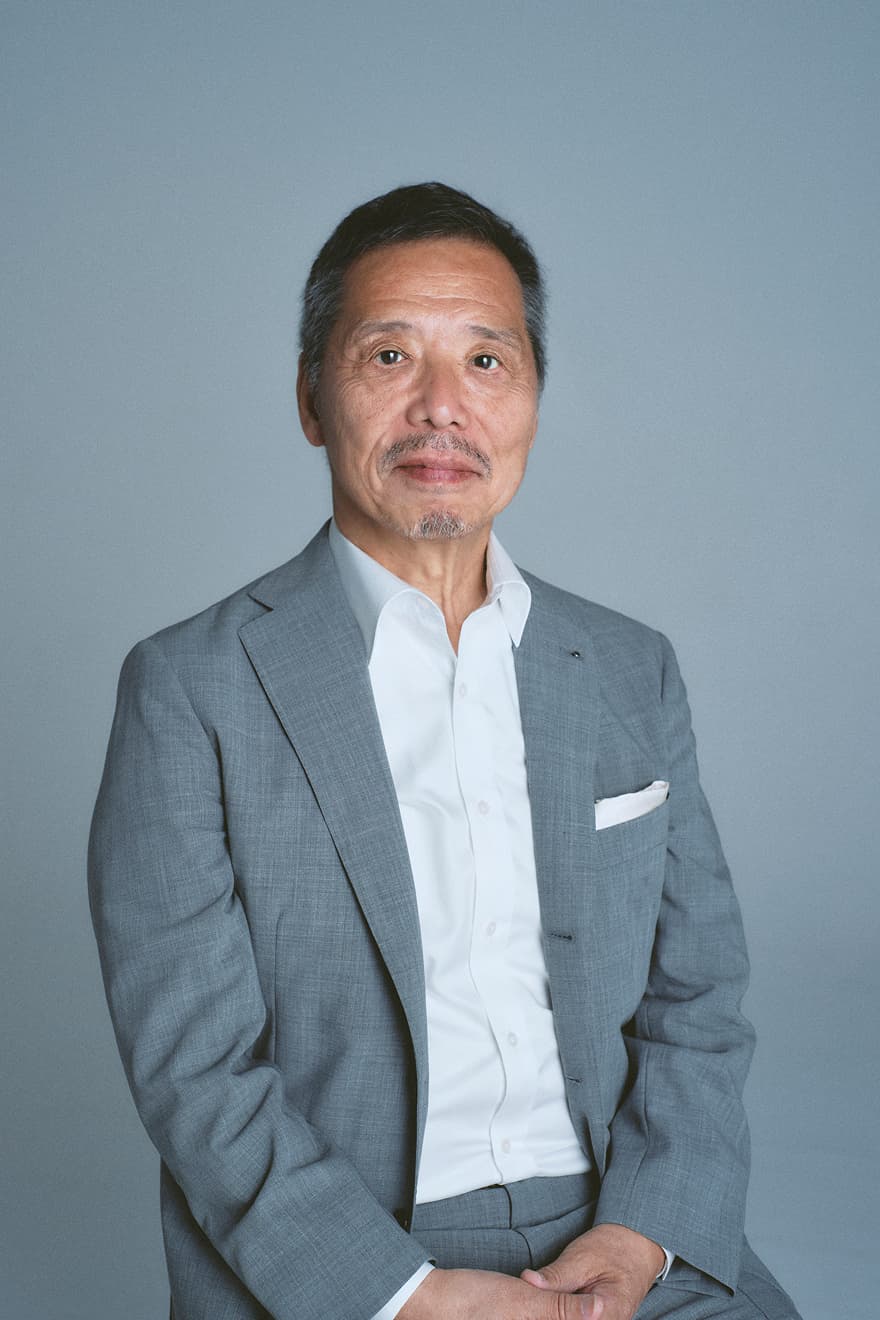
curator Yuji Akimoto
Artistic Director of
Go for Kogei
Akimoto is an art critic, professor emeritus at Tokyo University of the Arts, special director of the 21st Century Museum of Contemporary Art, Kanazawa, and a distinguished professor at Tainan National University of the Arts. Born in 1955 in Tokyo, he holds a BA in fine art from the Tokyo National University of Fine Arts and Music (now Tokyo University of the Arts). Akimoto first became involved in the art projects at Benesse Art Site Naoshima in 1991, and later served as artistic director of Benesse Art Site Naoshima and director of the Chichu Art Museum (2004–2006). After serving as director of the 21st Century Museum of Contemporary Art, Kanazawa (2007–2017), he taught as a professor at Tokyo University of the Arts while serving as director of the University Art Museum (2015–2021). From 2017 through 2023, he served as director of the Nerima Art Museum, and he is currently the artistic director of Go for Kogei.
His past projects and exhibitions include The Standard (Naoshima, 2001); Naoshima Standard 2 (Naoshima, 2006–2007); the first three iterations of the International Triennale of Kogei in Kanazawa (Kanazawa and Caotun, Taiwan; 2010–2017); Art Crafting Towards the Future (Kanazawa, 2012); Japanese Kogei: Future Forward (New York, 2015); Yu-ichi Inoue 1916–1985—La calligraphie libérée at Japonismes 2018 (Paris and Albi, France); and Art as It Is: Expressions from the Obscure (Tokyo, 2020). His publications include Art thinking (Aato shiko, Tokyo: PRESIDENT Inc., 2019).
Organization
- ORGANIZED BY
- NPO Syuto Kanazawa
- SUPPORTED BY
- Japan Creator Support Fund
- Sponsors
-
AAA, BBB,CCC,DDD,EEE and FFF


- Curator
- Yuji Akimoto
- Institutional Representative
- Jun Ura
- Exhibition Director
- Hiroshi Usui
- Co-Curators
- Kentaro Takayama, Yasumitsu Takai
- Project Management
- Noetica
- Exhibition Design
- WHY Architecture
- Coordination in Venice
- VeniceArtFactory
- Production
- Green Spin
- GRAPHIC DESIGN
- bruno, Venezia
- Website
- nicottoLab
- Public Relations
-
Noetica, Relay Relay,
FITZ & CO - PHOTOGRAPHY
- Noriyuki Ikeda
- VIDEO
- Masato Oyachi
- Translation
- Fraze Craze
Exhibition Brochure
Under Construction
List of Works
Under Construction
Catalogue
Under Construction
Information
Ethnography of the Body and Material —Slowness and Depth in an Accelerated Society
- Dates
- 9 May – 22 November, 2026
- Holidays
- Closed on Tuesdays
- Opening Hours
-
9 May – 30 September, 11am – 7pm
1 October – 22 November, 10am – 6pm - Venue
-
Palazzo Pisani Santa Marina
Cannaregio 6104, 30121 Venice, Italy - Preview
- 6 - 8 May 11am - 7pm
- Press Preview
- 5 May 4pm - 6pm *RSVP essential
- Opening Reception
- 7 May 5pm - 7pm
- General Inquiries
- info@goforkogei.com
Press
Press Release
Press Inquiries
Go for Kogei Project Management Office
About
Go for Kogei
-
![[Left] Takuro Kuwata, Untitled, 2021. [Right] Takuro Kuwata, Untitled, 2015. Installation view from Go for kogei 2021, Otaki-okamoto Shrines, 2021.](https://venice.goforkogei.com/wp-content/themes/mytheme/img/about/about_2021_01.jpg)
[Left] Kuwata Takuro, Untitled, 2021. [Right] Kuwata Takuro, Untitled, 2015. Installation view from Go for kogei 2021, Otaki-okamoto Shrines, 2021. Photo: Katano Masahiro
-
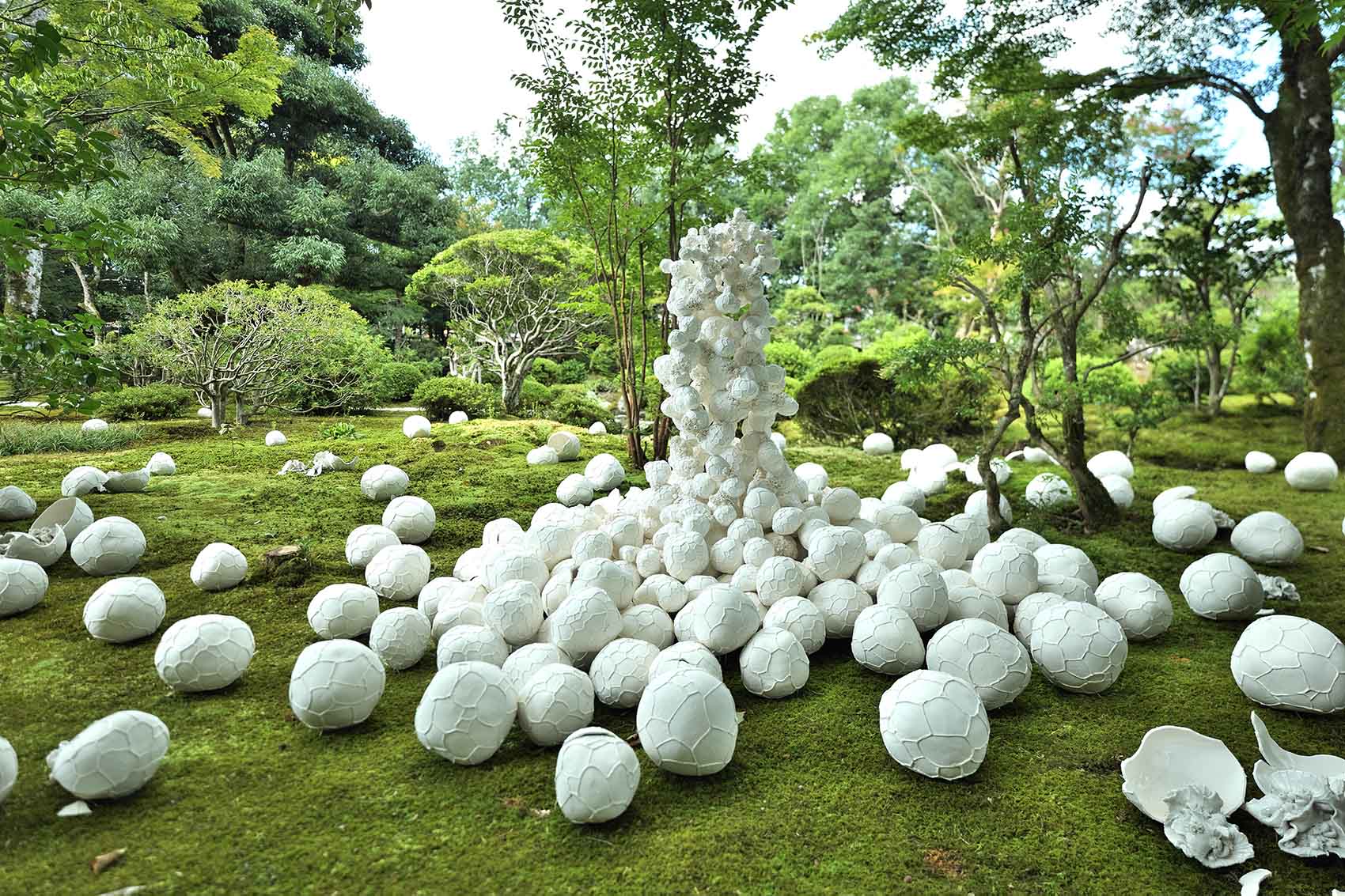
Sago Michiko, Harmony, 2022. Installation view from Go for kogei 2022, Natadera Temple, 2022. Photo: Katano Masahiro
-
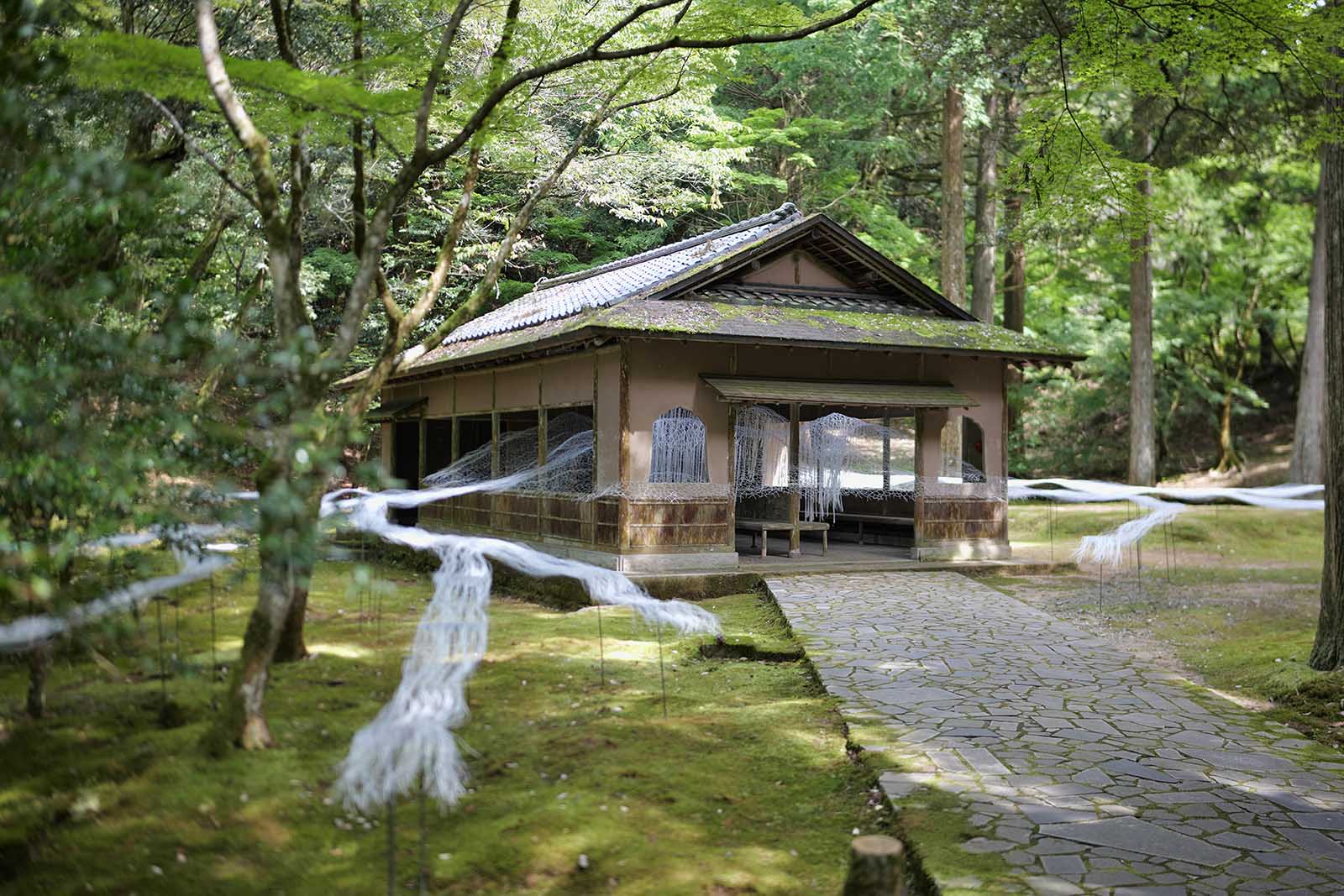
Inoue Yui, The Life of the Mountain, 2022. Installation view from Go for kogei 2022, Natadera Temple, 2022. Photo: Katano Masahiro
-
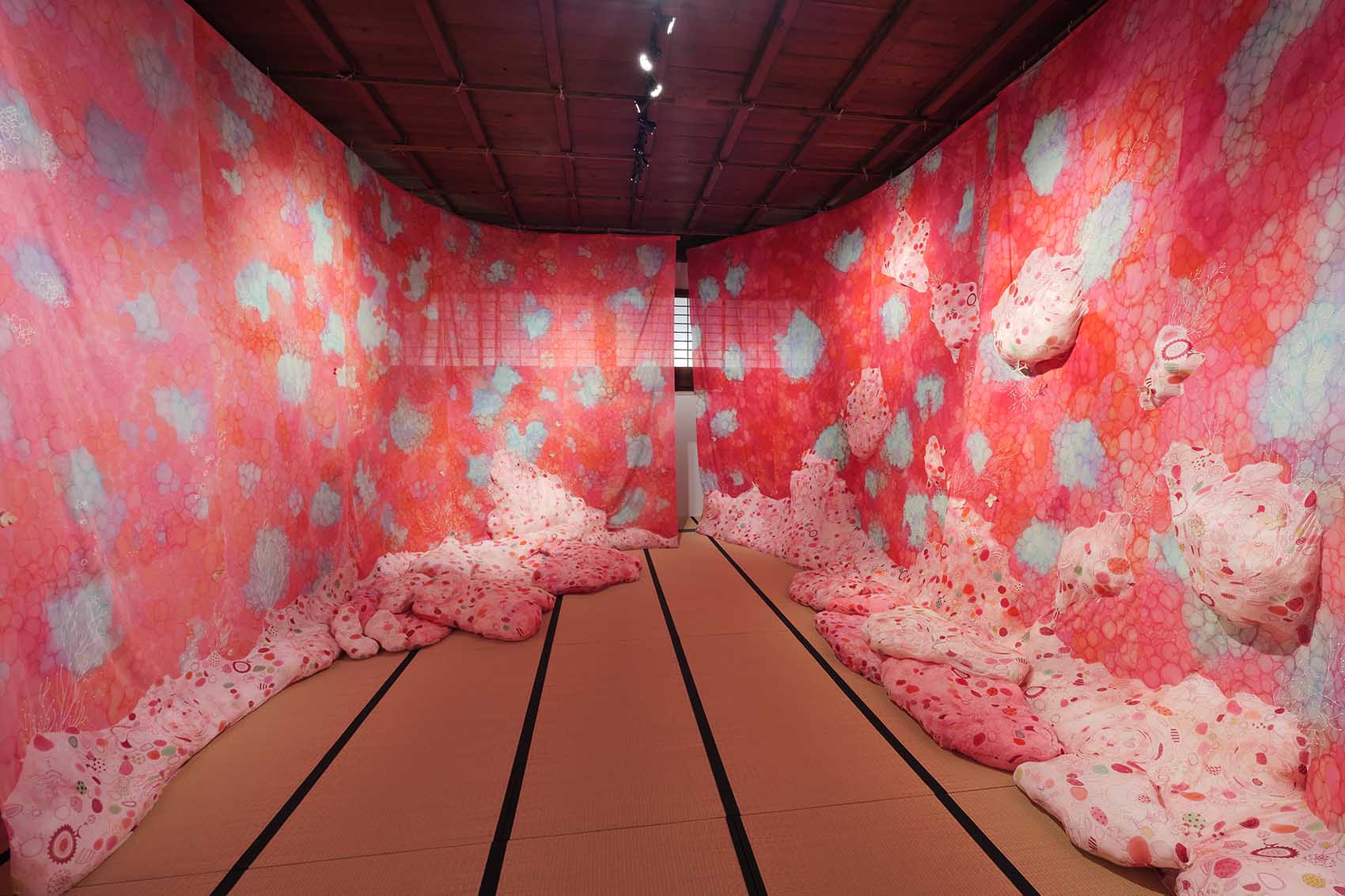
Kashio Satomi, Wavering Border, 2015. Installation view from Go for kogei 2022, Shokoji Temple, 2022. Photo: Katano Masahiro
-
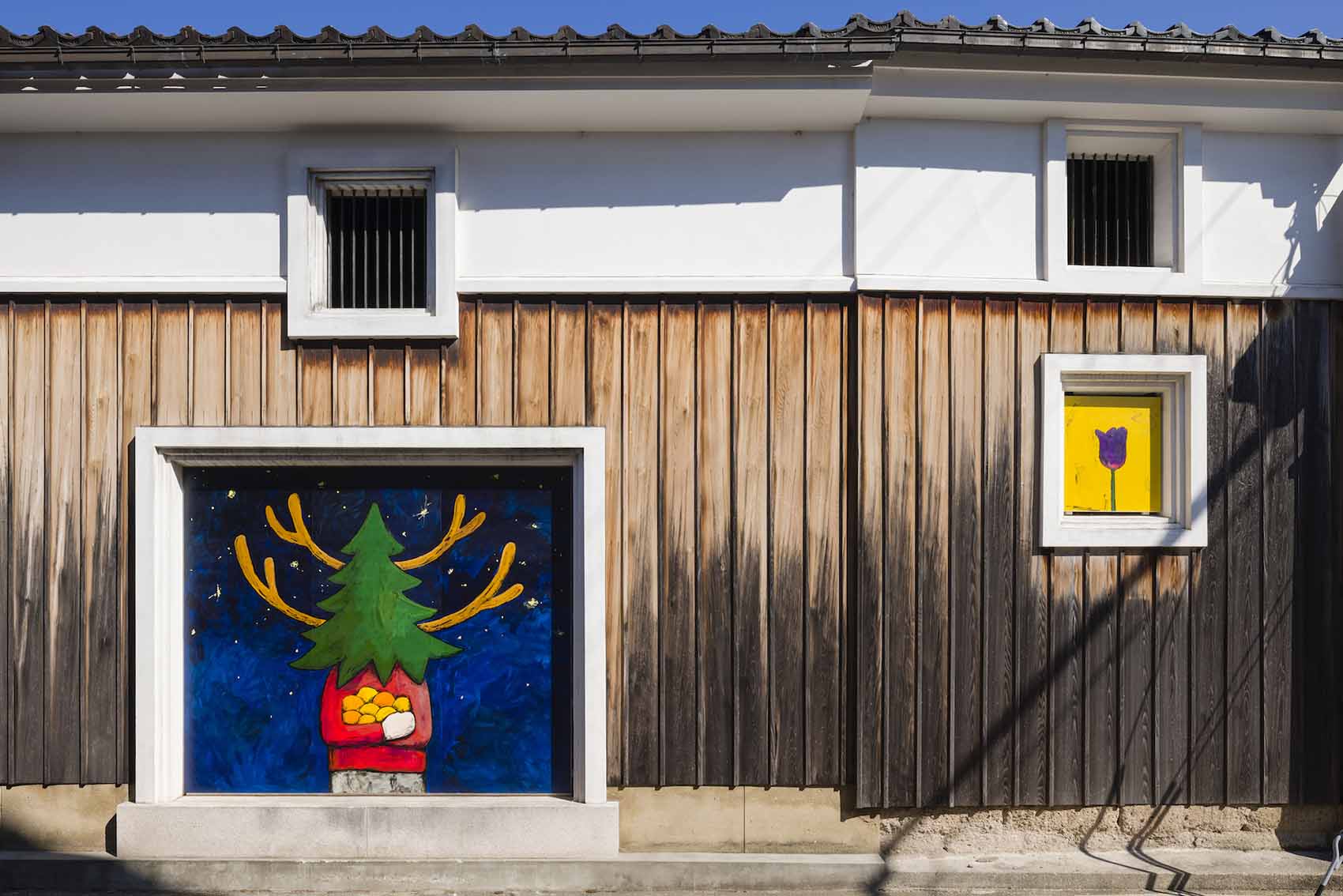
Hirako Yuichi, Lost in Thought / Toyama, 2023. Installation view from Go for kogei 2023, Masuda Sake Brewery, 2023. Photo: Watanabe Osamu
-
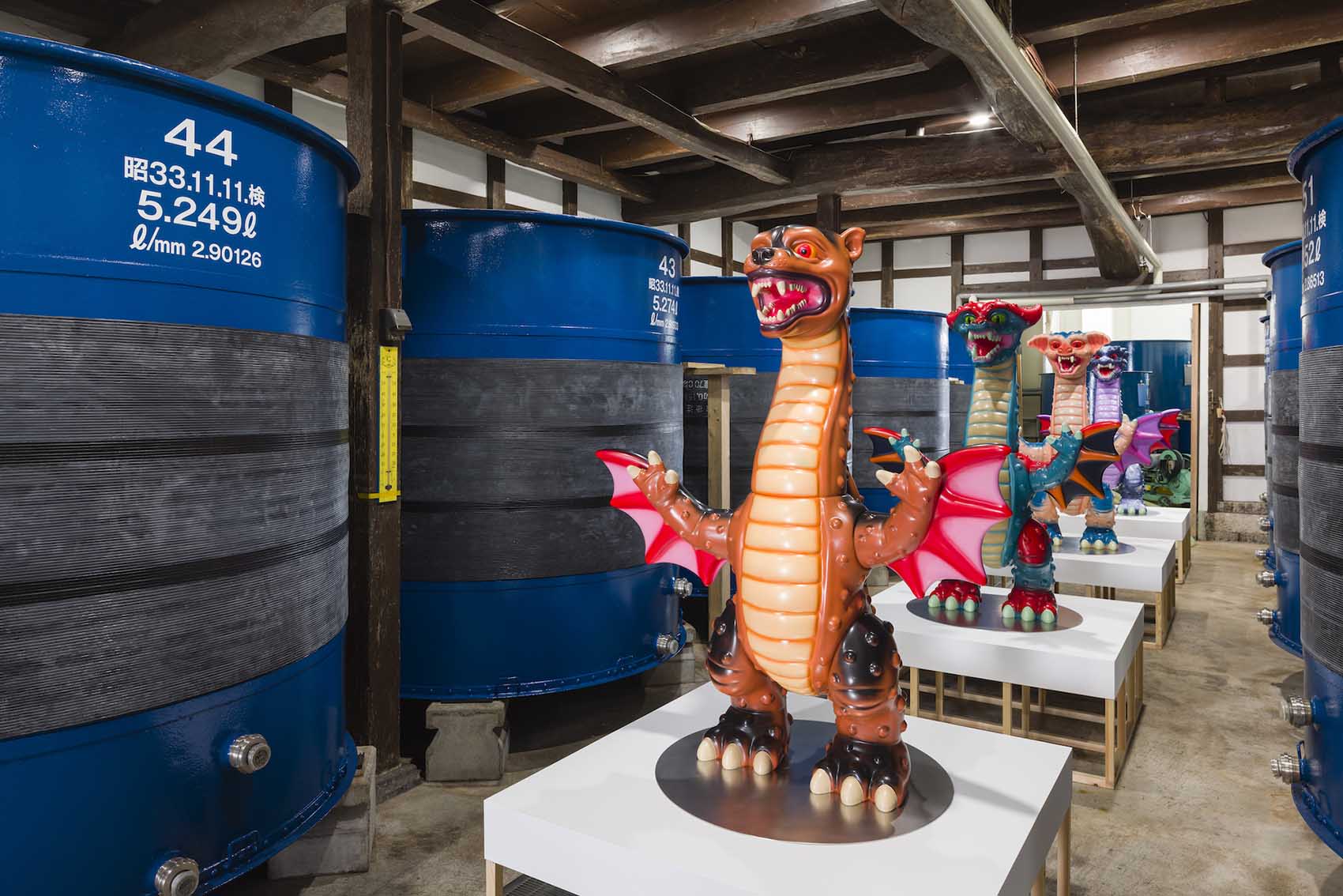
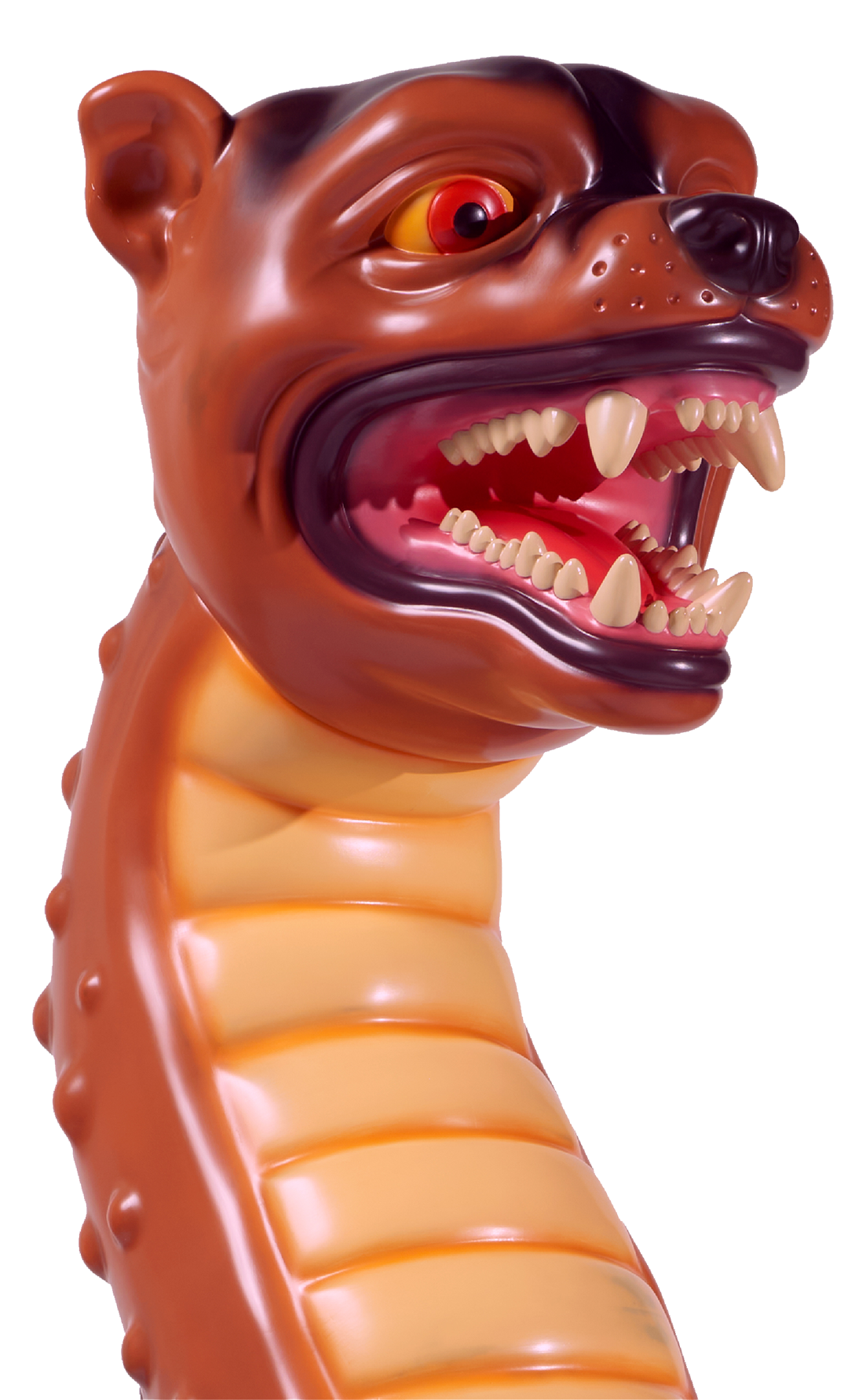
Komuro Takahiro, Dog Dragon, 2023. Installation view from Go for kogei 2023, Masuda Sake Brewery, 2023. Photo: Watanabe Osamu
-
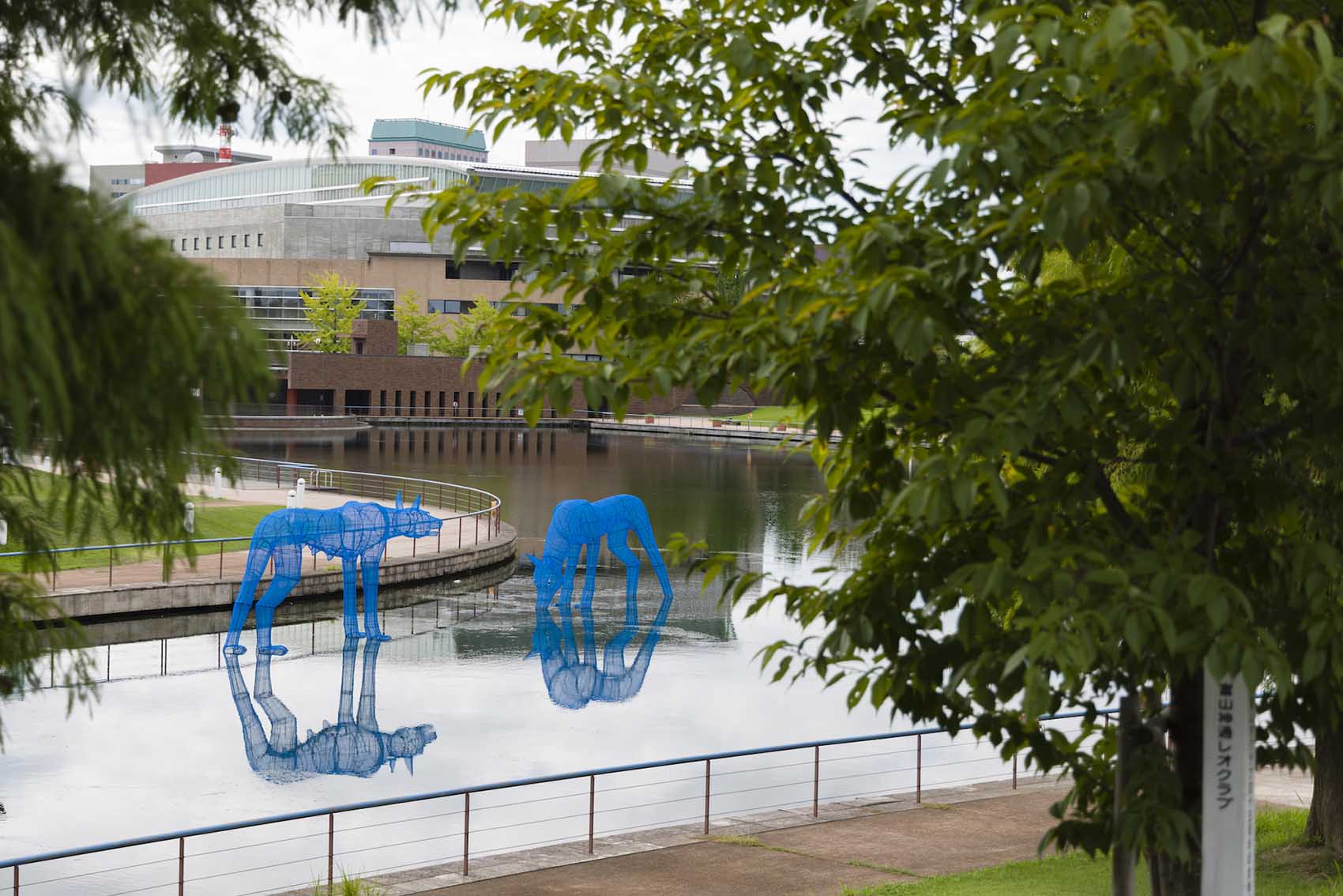
Kubo Hiroko, Mountain Dogs, 2023. Installation view from Go for kogei 2023, Fugan Canal Kansui Park, 2023. Photo: Watanabe Osamu
-
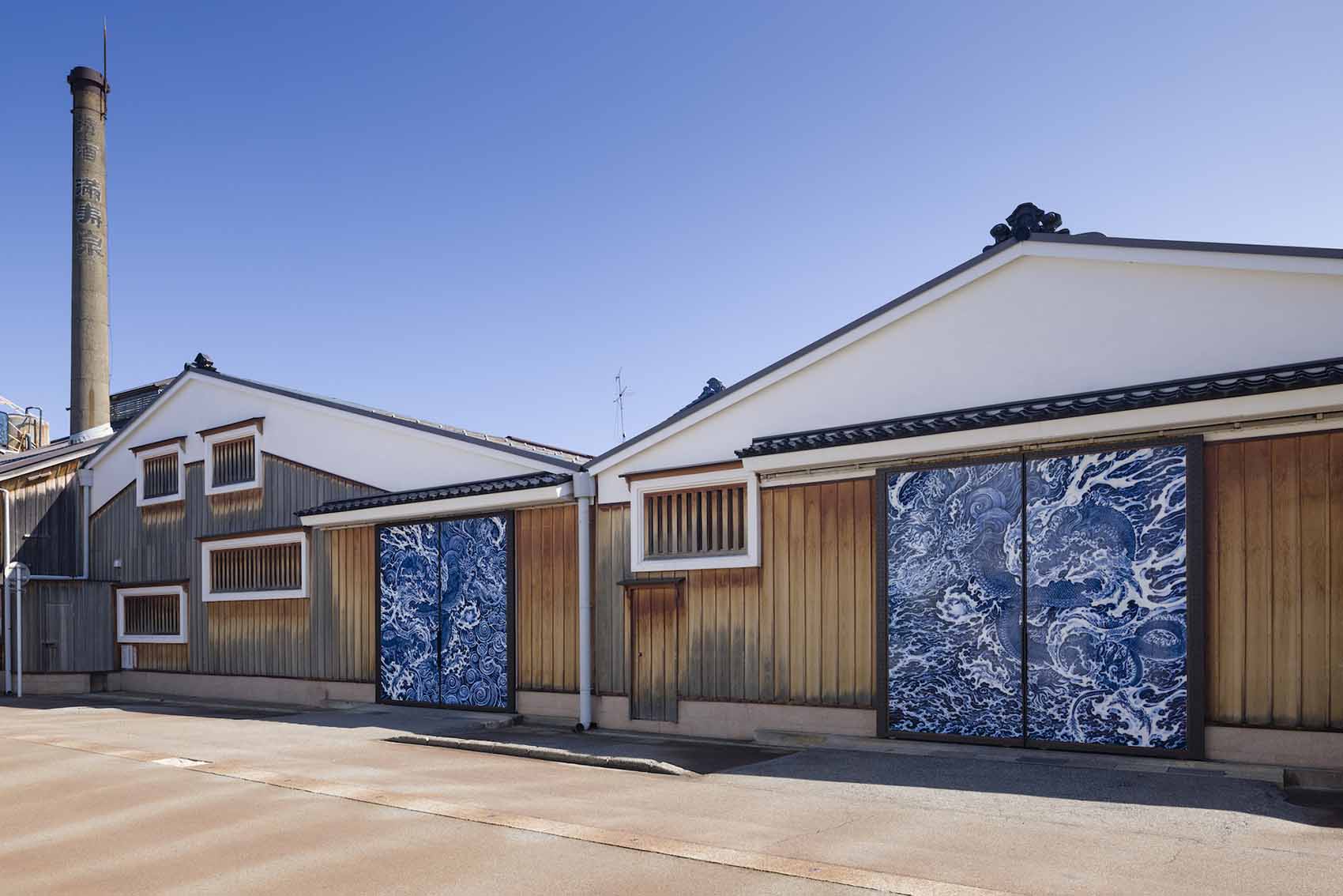
Hayama Yuki, Ssangyong, 2023. Installation view from Go for kogei 2023, Masuda Sake Brewery, 2023. Photo: Watanabe Osamu
-
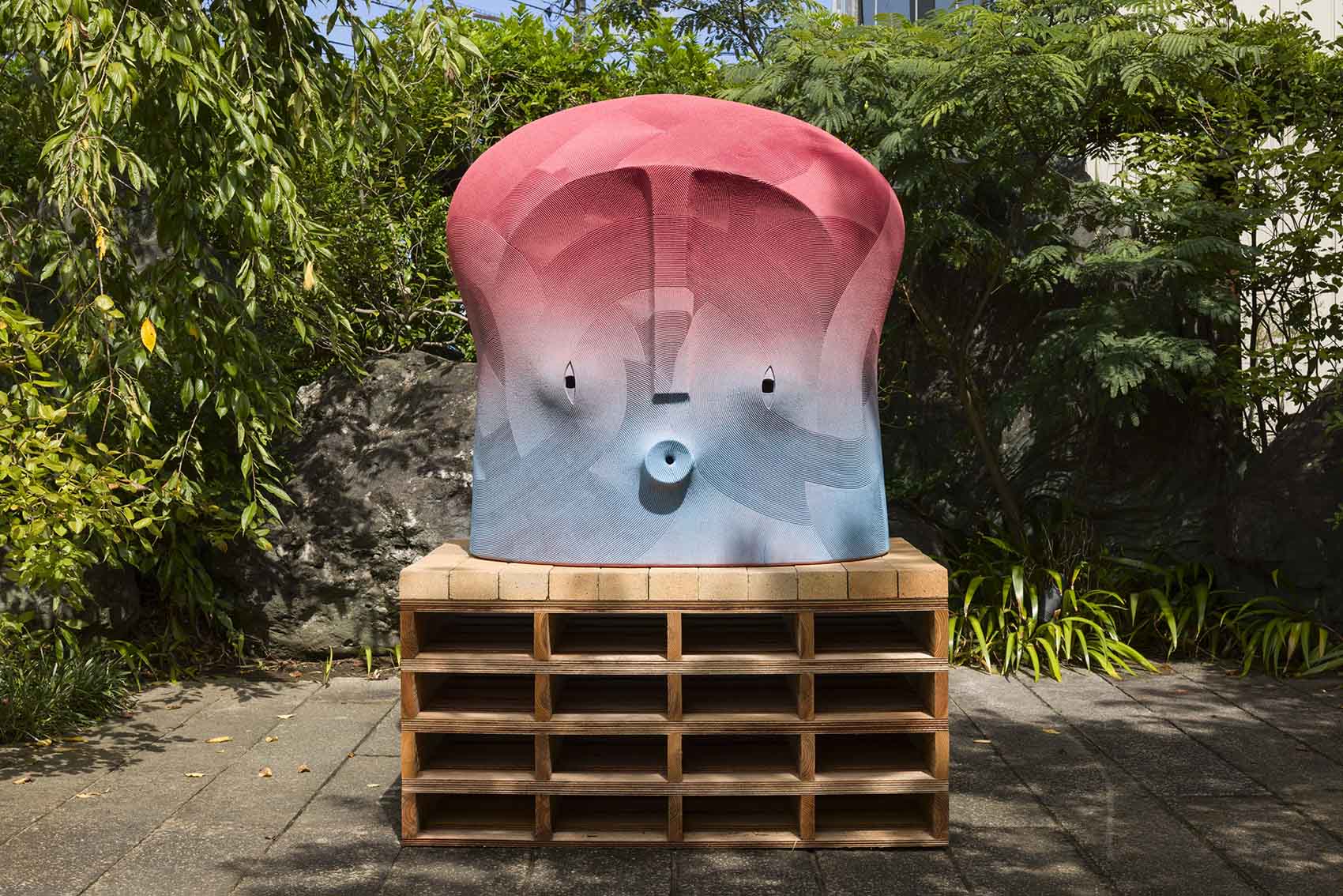
Iwamura En, Neo Jomon: Green Mask, 2024. Installation view from Go for kogei 2024, Piatto Suzuki Cinque, 2024. Photo: Watanabe Osamu
-
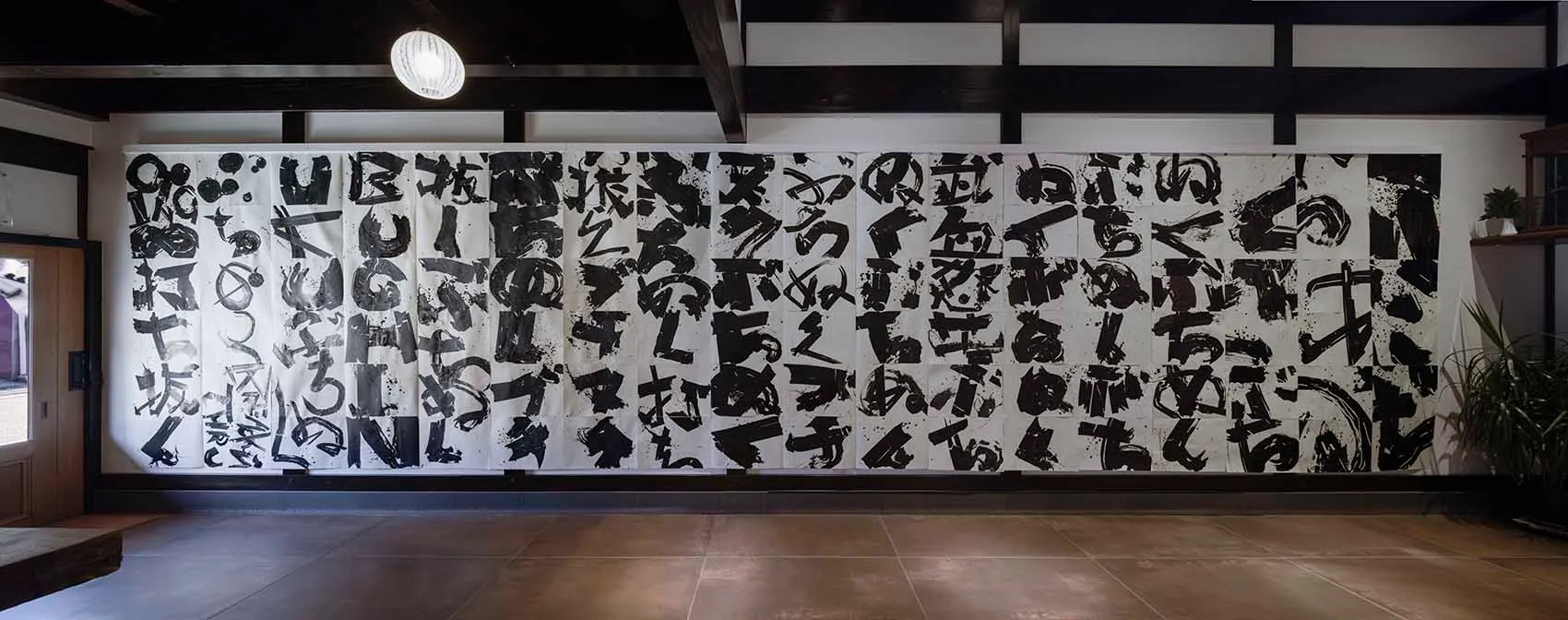
Kakinuma Koji, Breaking Through, 2024. Installation view from Go for kogei 2024, saseki sake bar, 2024. Photo: Watanabe Osamu
-
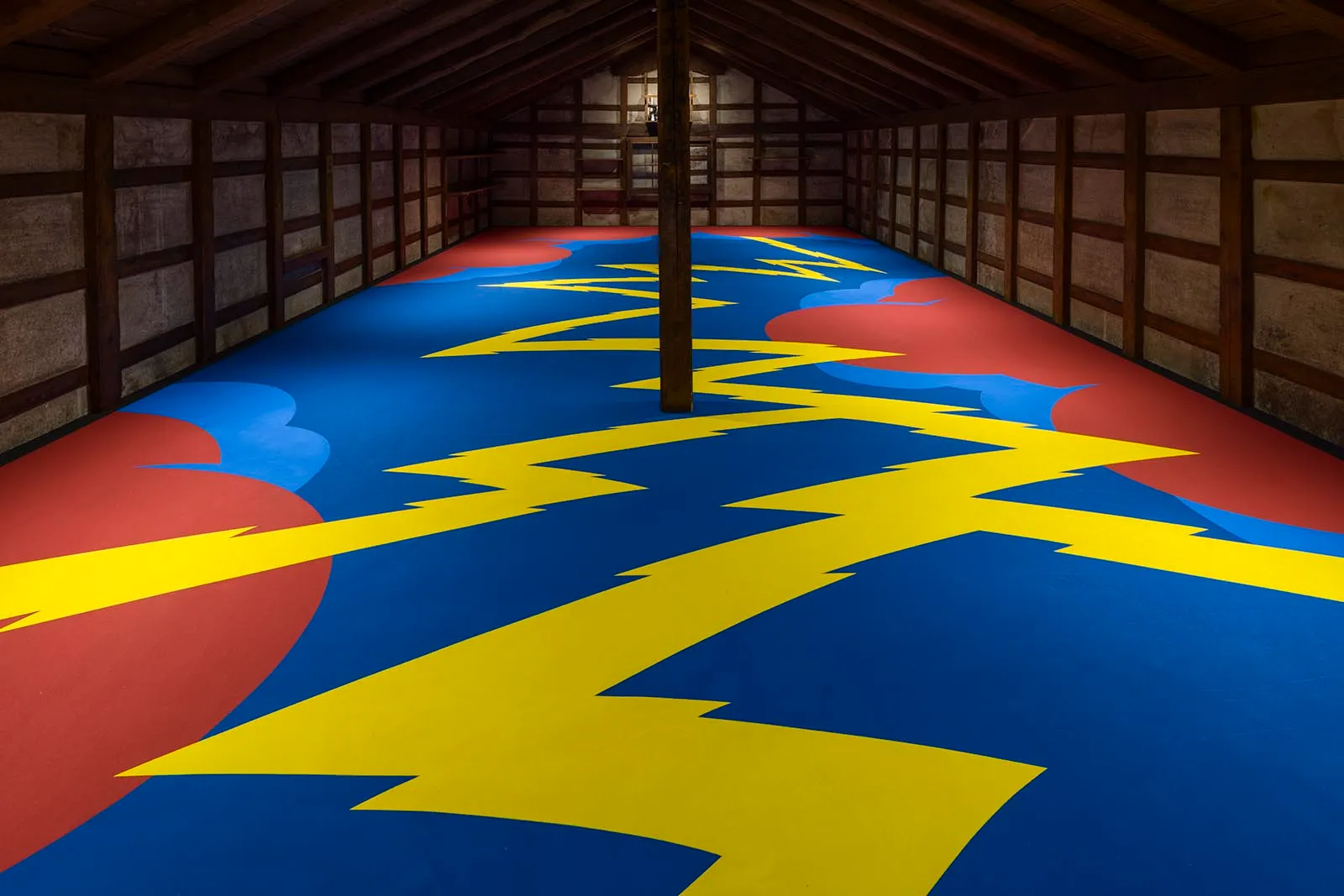
Tatehana Noritaka, Descending Painting “Unryu-zu”, 2024. Installation view from Go for kogei 2024, Masuda Sake Brewery, 2024. Photo: Watanabe Osamu
-
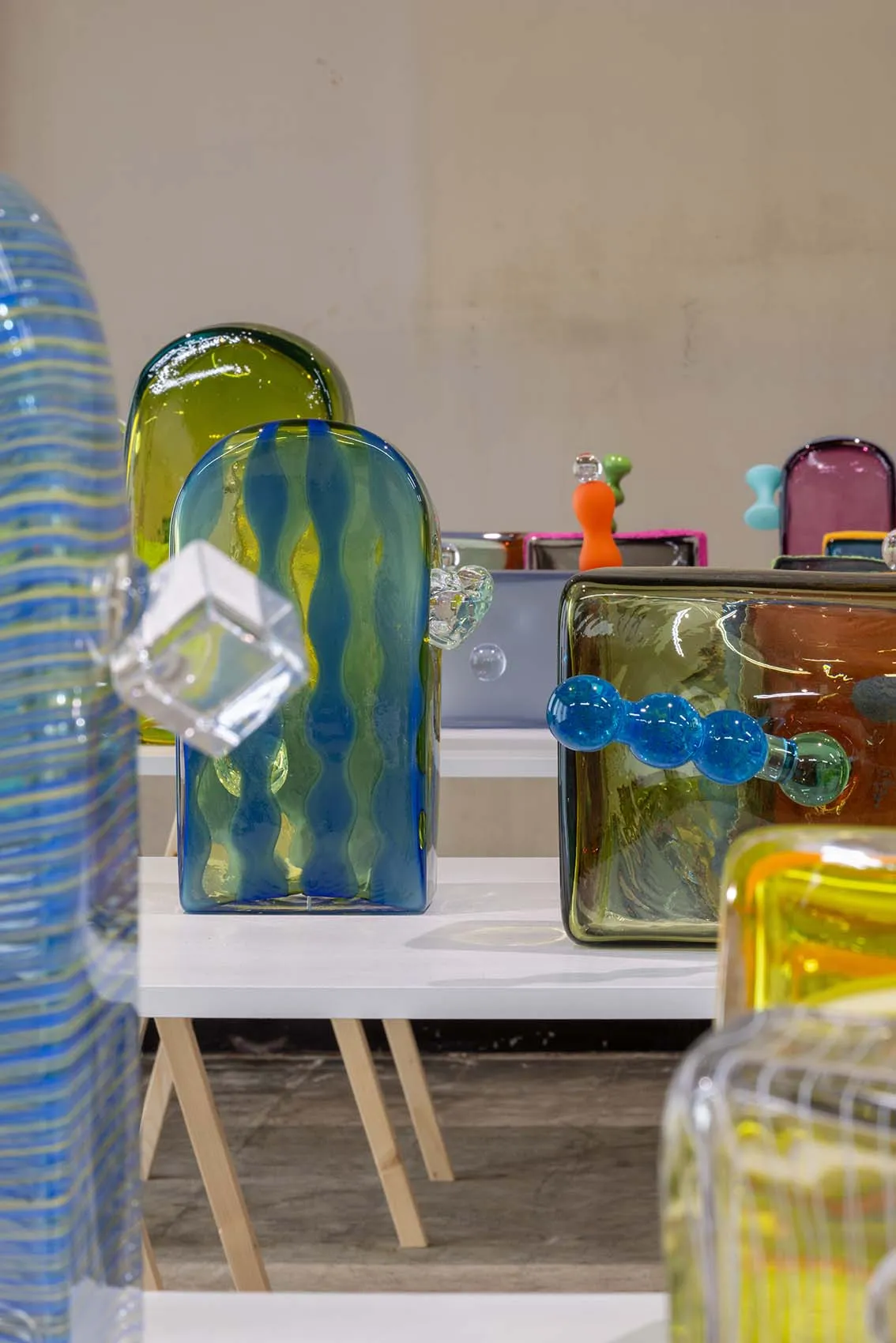
Yoshizumi Ayano. Installation view from Go for kogei 2025, Former Iwase Bank, 2025. Photo: Terada Masahiro
-
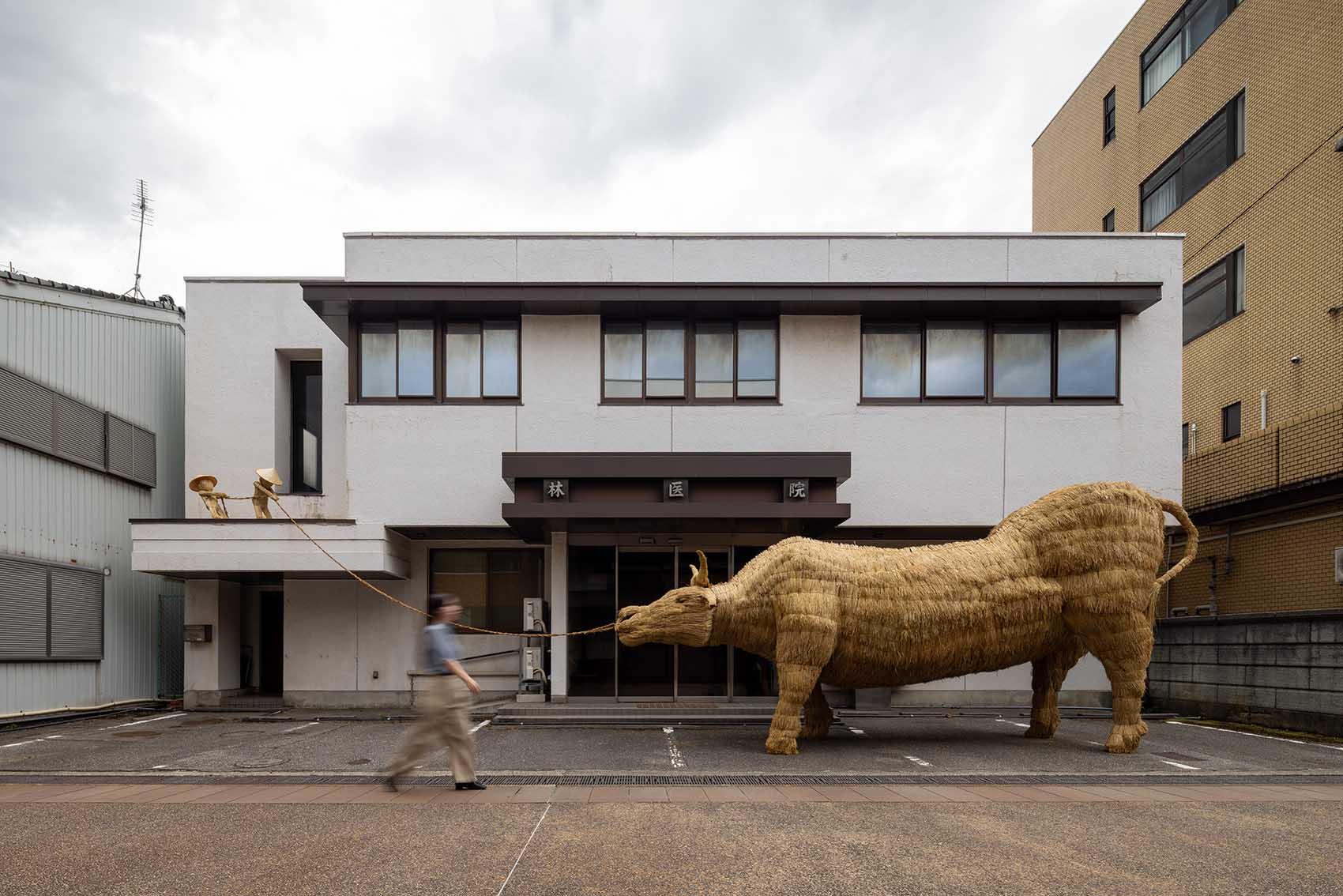
Matsumoto Yuma, Moo, 2025. Installation view from Go for kogei 2025, Former Hayashi Clinic, 2025. Photo: Terada Masahiro
-
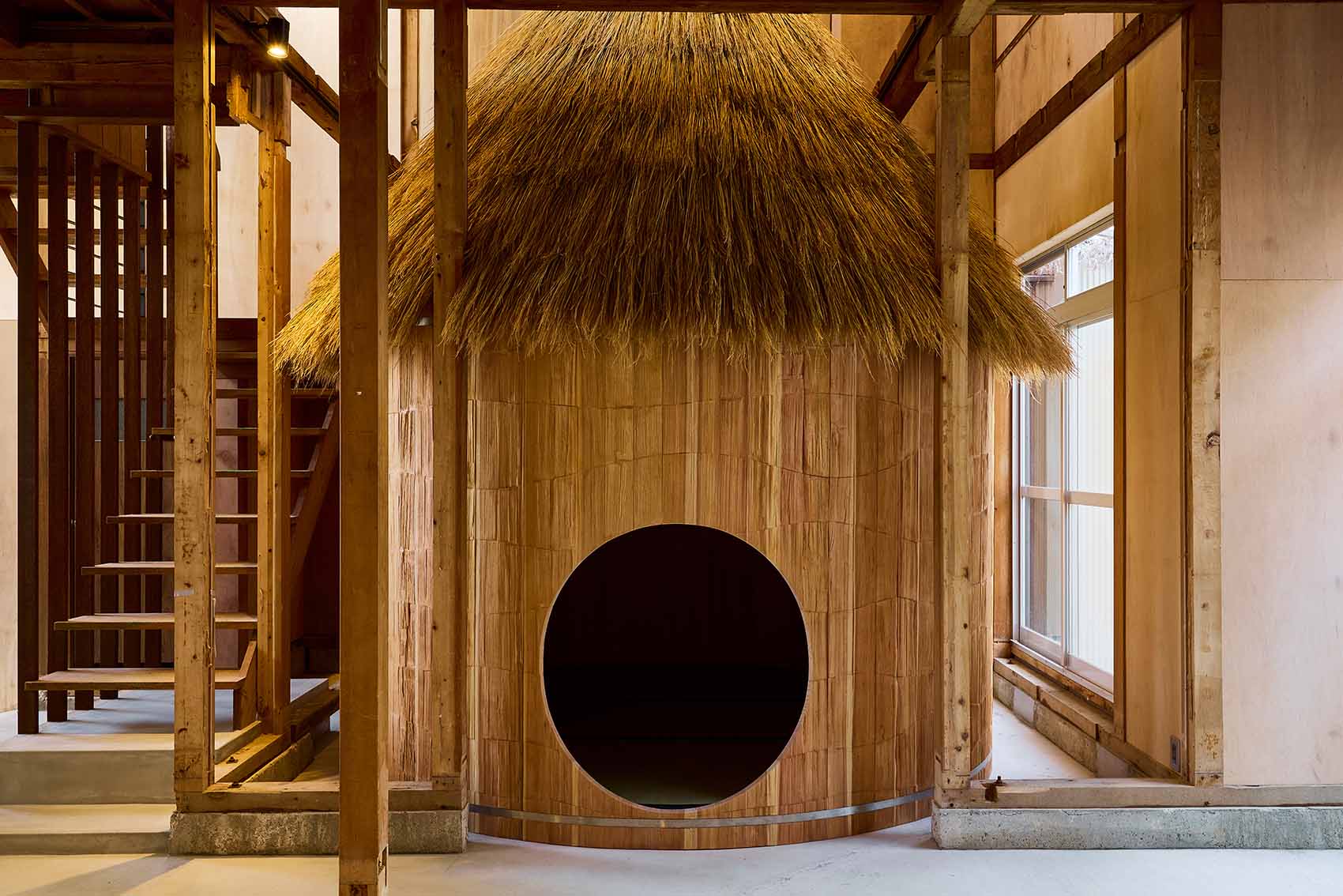
Sagara Ikuya & Nakagawa Shuji, The Wooden Barrel and Thatched Roof Tea Room, 2025. Installation view from Go for kogei 2025, Studio "A", 2025. Photo: Ikeda Noriyuki
-
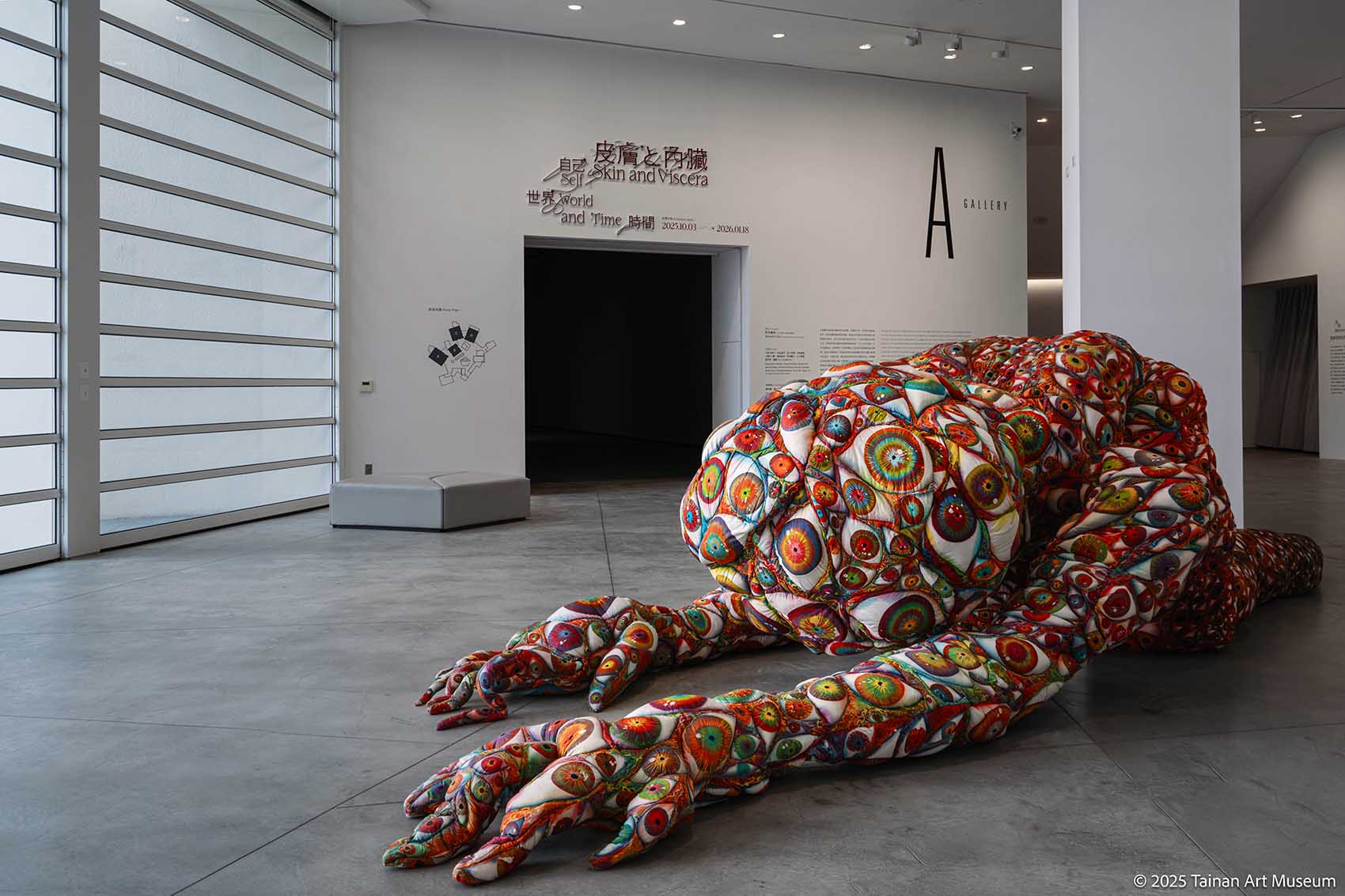
Sasaki Rui, Dormant Recollections, 2025. Installation view from Skin and Viscera: Self, World, and Time, Tainan Art Museum, 2025. Coutesy of Tainan Art Museum
-
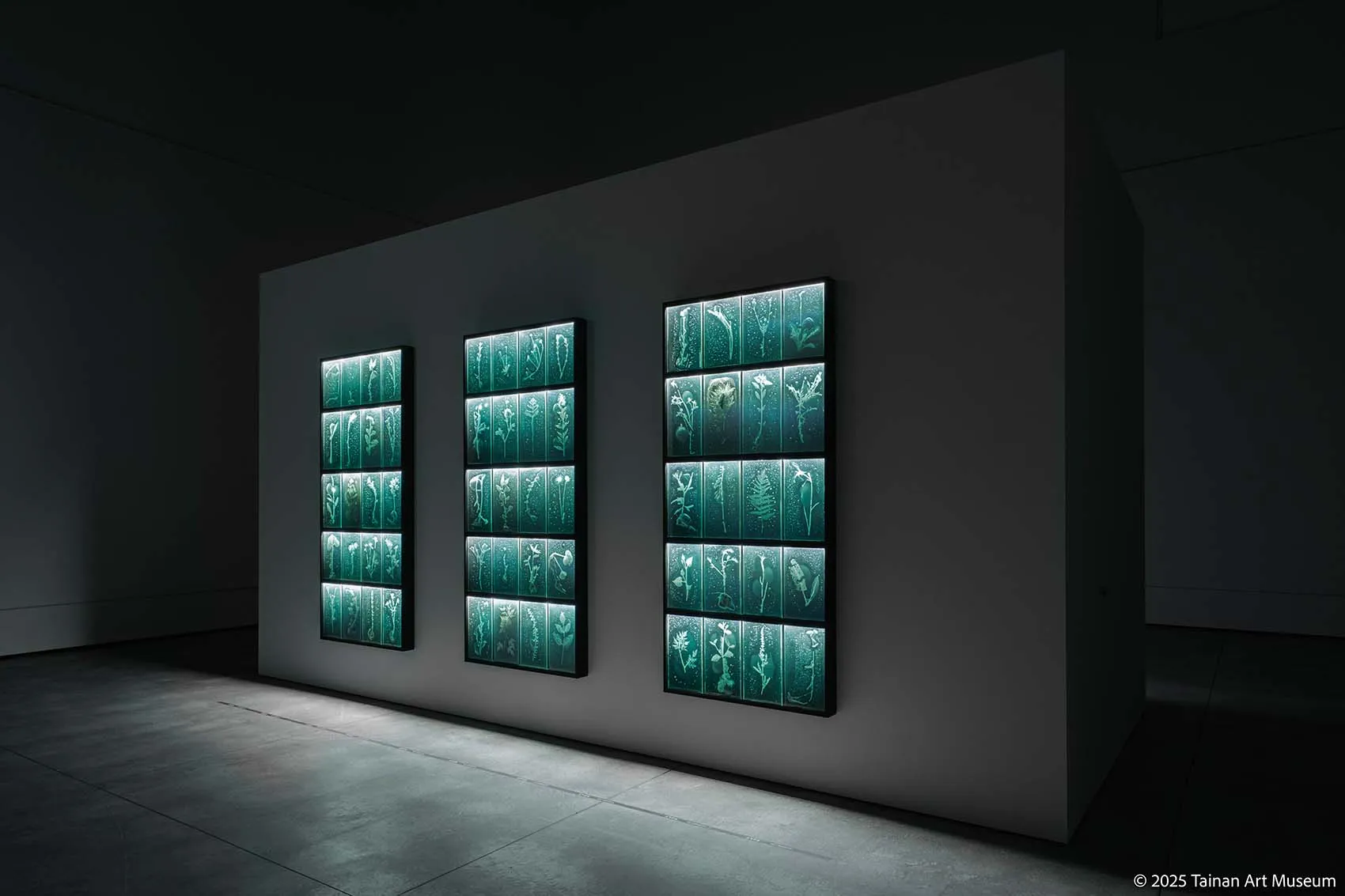
Yamashita Akari, Long for the Light, 2025. Installation view from Skin and Viscera: Self, World, and Time, Tainan Art Museum, 2025. Coutesy of Tainan Art Museum
Go for Kogei is a project dedicated to promoting new perspectives on craft from Hokuriku, a region with a long history of craftsmanship. Since its inception in 2020, hosted by NPO Syuto Kanazawa, a citizen-led non-profit organization promoting community development in Kanazawa through its rich cultural heritage, the project has presented exhibitions and events at shrines, temples, and other sites that reflect the region’s history and climate. It has also organized conferences to enrich the discourse on today’s issues and possibilities surrounding craft. Since 2024, the project has broadened its scope internationally, launching with an exhibition in Paris and subsequently presenting its activities in cities including Seoul, London, and Tainan.


